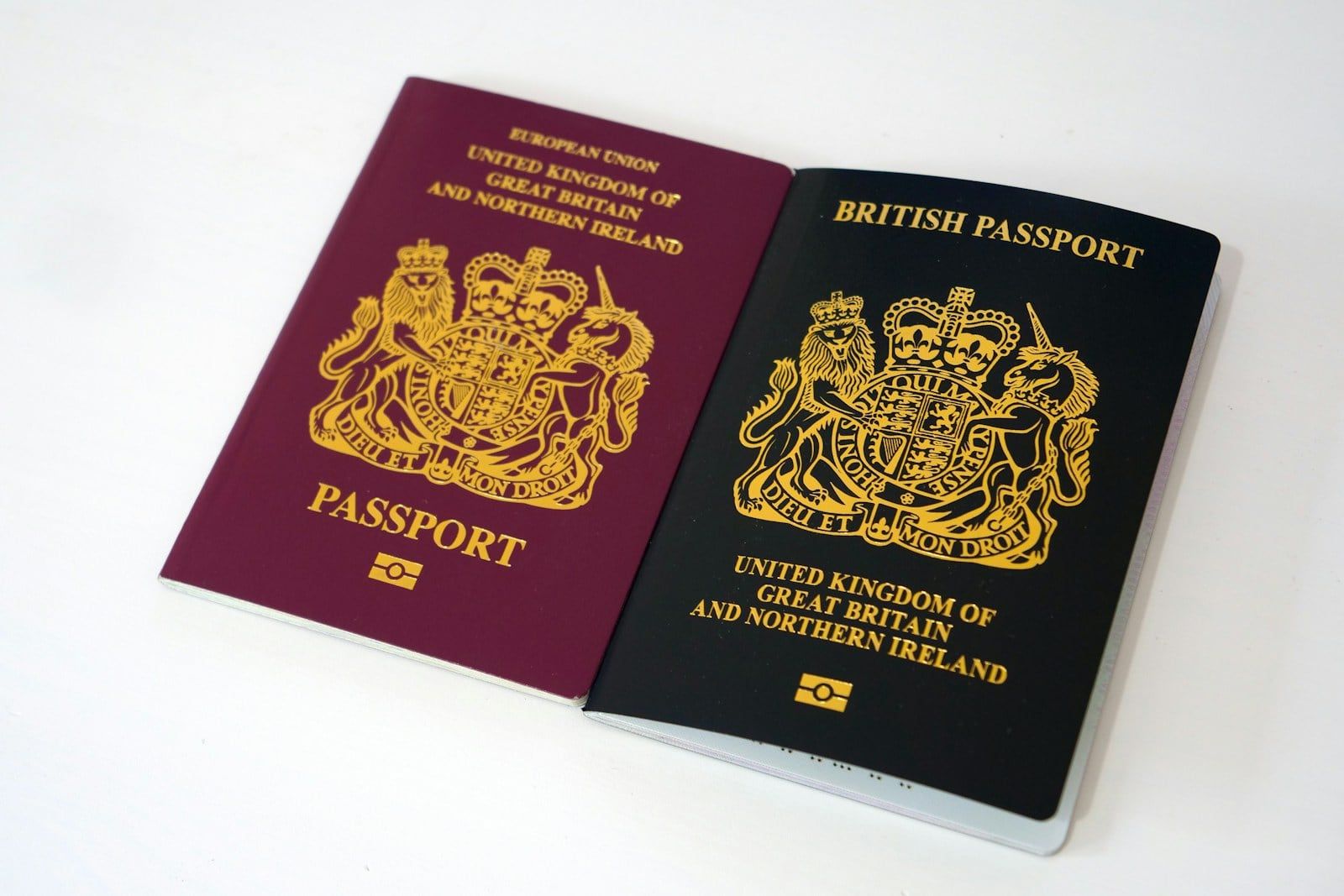
This list covers the most common case: a British or settled sponsor bringing a husband, wife or partner from abroad. Your own checklist may differ, and the Home Office changes its requirements from time to time, so always check the current rules on GOV.UK or ask us.
Identity
- Valid passport for the applicant, and any previous passports
- Passport or proof of settled status for the sponsor
Your relationship
- Marriage or civil partnership certificate, with a certified translation if it is not in English
- For unmarried partners: evidence you have lived together for at least two years
- Evidence the relationship is genuine: photos over time, messages, call logs, travel together
- Evidence that any previous marriages have ended, such as a divorce certificate
The financial requirement
The sponsor must show they meet the minimum income requirement. It can be met through employment, self-employment, pensions, certain other income, or cash savings, alone or in combination. The threshold depends on when you first applied on the partner route, so check the current figure with us before you apply.
- Payslips covering the required period
- Bank statements showing the salary paid in
- A letter from the employer confirming role, salary and start date
- P60 and, for self-employment, tax returns and accounts
- If relying on savings: bank statements showing the funds held for the required period
English language
The applicant needs an approved English test at the required level, or a degree taught in English, unless they are a national of a majority English-speaking country or exempt.
Accommodation
- Tenancy agreement or title deeds for where you will live
- A letter from the owner if you will live with family
- Evidence the home will not be overcrowded
Other documents
- Tuberculosis test certificate, if the applicant lives in a listed country
- Proof the Immigration Health Surcharge has been paid
- Certified translations of anything not in English or Welsh
We provide a fixed fee option on all immigration matters. See our immigration fees or call us on 0161 660 1505.
This article is general information about the law in England and Wales at the date above. It is not legal advice on your situation. Please contact us before acting on it.